Increase Revenue: Customized Multi-Channel E-Commerce Analytics Services
In the modern technological environment, enterprises face mounting pressure to understand their customers. Personalized omnichannel e-commerce analytics platforms deliver a remedy. By merging metrics from different sources, businesses can reveal insights about purchasing habits. This awareness is vital for building effective promotional plans. Yet, the process to implementing these systems is difficult and calls for mindful evaluation. Which considerations should companies prioritize to assure success?
Understanding Multi-Channel E-Commerce Analytics
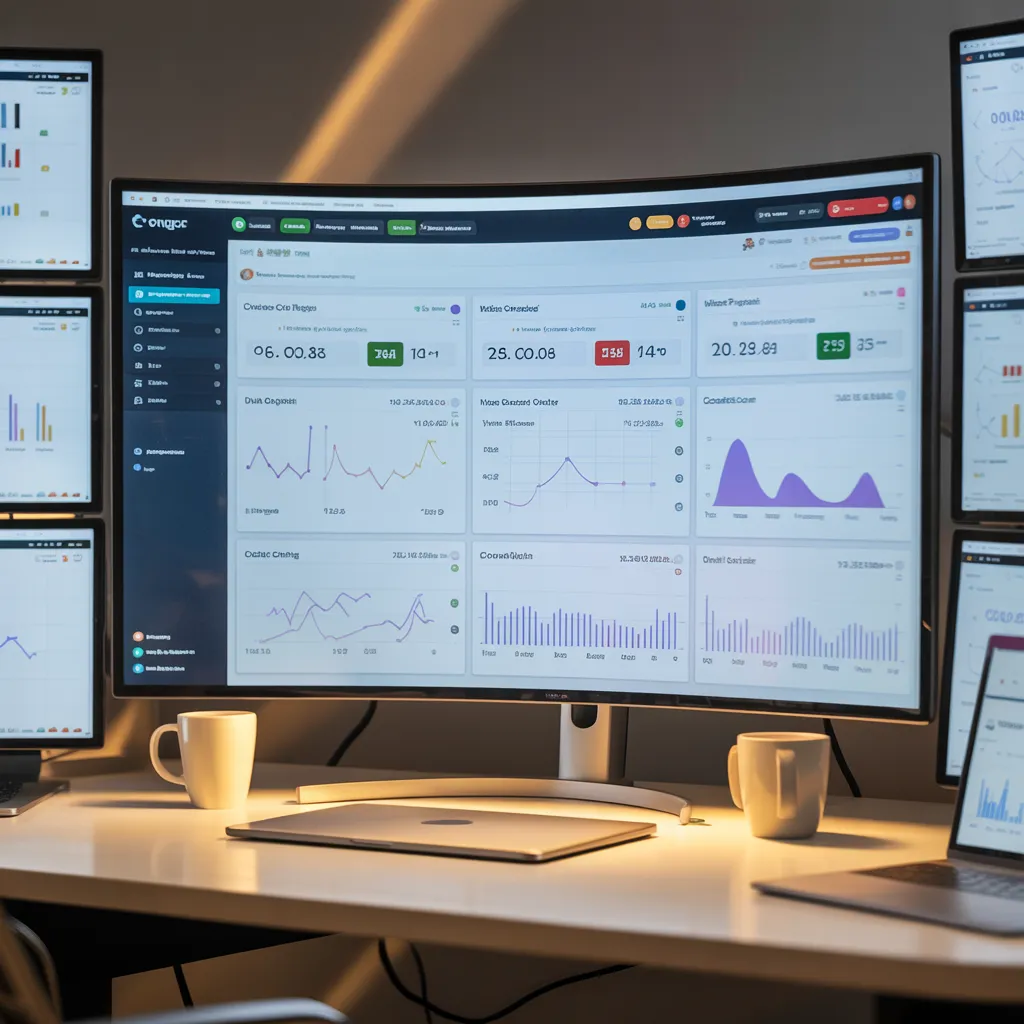
In this competitive setting, nearly 73% of clients engage with multiple channels before making a transaction. Multi-channel e-commerce analytics comprises the processes and tools that track consumer engagements across various platforms, such as online stores, social media, and email marketing. By integrating data from these diverse channels, businesses gain a integrated view of customer behavior, preferences, and purchasing patterns. This analytics approach facilitates better understanding of how each channel affects the overall customer journey. Additionally, it supports companies to identify trends, optimize marketing strategies, and allocate resources effectively. As consumers increasingly flow through different touchpoints, the need for thorough analytics becomes paramount. Understanding these dynamics is necessary for businesses hoping to improve customer experiences and improve engagement. Ultimately, effective multi-channel e-commerce analytics can provide the insights needed to adapt to evolving consumer behaviors and market demands.
Advantages of Multi-Channel E-Commerce Insights for Your Organization
Implementing comprehensive digital commerce metrics can powerfully strengthen a business's ability to understand and respond to consumer patterns. By combining data across multiple touchpoints, organizations acquire extensive perspective into customer preferences and purchasing patterns. This knowledge allows businesses to tailor their marketing strategies effectively, concentrating efforts on select audiences through personalized promotions.
Also, cross-channel analytics can identify the most profitable sales channels, empowering enterprises to allocate resources more optimally. This optimization can yield increased conversion rates and strengthened customer retention. Moreover, enterprises can track performance in real-time, facilitating for immediate adjustments to promotional campaigns based on data-driven insights.
Using enhanced decision-making, companies can stay competitive in a crowded market. Ultimately, the merits of multi-channel e-commerce analytics not only improve operational flow but also deepen customer relationships with customers, creating opportunities for sustained growth and profitability.
Core KPIs for Impactful Multi-Channel Data Measurement
A strong multi-channel analytics approach requires a set of essential metrics to evaluate performance throughout various platforms. KPIs, channel-specific metrics, and conversion rate analysis are crucial for understanding how each channel drives overall business success. By monitoring these measurements, businesses can make informed decisions to optimize their e-commerce strategies.
Key Outcomes Indicators
While managing the complexities of multi-channel e-commerce, companies must track and identify KPIs (KPIs) to ensure peak results. KPIs function as essential benchmarks that help assess various dimensions of e-commerce activities. Metrics such as conversion rates, average order value, and customer acquisition cost offer understanding into sales performance and marketing effectiveness. Additionally, monitoring customer lifetime value and return on investment (ROI) helps in evaluating long-term financial success. Monitoring these KPIs enables businesses to spot patterns, optimize campaigns, and enhance customer experiences. By focusing on these key metrics, organizations can take data-driven decisions, ensuring sustained growth and improved performance across all channels. Ultimately, a comprehensive grasp of KPIs is essential for multi-channel e-commerce achievement.
Channel-Targeted Measurements
To enhance omnichannel e-commerce strategies, companies must focus on platform-tailored metrics that provide targeted insights into each sales platform. These metrics include sales volume, average order value, and customer acquisition costs specific to each channel, enabling companies to assess performance accurately. Additionally, tracking engagement rates on social media or email campaigns can reveal which channels resonate most with customers. Comprehending return rates and customer feedback for each platform helps identify areas for improvement. By copyrightining these platform-distinct metrics, organizations can tailor their marketing efforts, allocate resources effectively, and enhance customer experiences. Ultimately, this targeted approach fosters informed decision-making, driving better results across diverse e-commerce channels.
Conversion Rate Evaluation
Conversion rate analysis serves as a essential element of multi-channel e-commerce analytics, offering understanding into how well each channel transforms browsers into buyers. By analyzing the percentage of users who complete a intended outcome, businesses can identify strengths and weaknesses across different platforms. This analysis allows for the evaluation of various factors, such as user experience, marketing effectiveness, and product appeal. Additionally, contrasting conversion rates among channels can underscore which platforms generate the highest returns, guiding resource allocation and strategic focus. Implementing targeted improvements based on this data can significantly improve overall performance. Ultimately, conversion rate analysis enables e-commerce businesses to refine their approaches, ensuring they meet customer needs effectively and drive sales growth.
Select the Top Analytics Solutions for Your Preferences
Identifying the right data platforms starts with pinpointing essential metrics that support corporate aims. Evaluating interoperability solutions is indispensable to maintain seamless data flow through platforms. This thoughtful selection process facilitates web-based retailers to apply insights effectively.
Pinpoint Core Performance Metrics
Identifying critical metrics (KPIs) is essential for any online retail company aiming to optimize its performance and propel growth. KPIs serve as measurable values that assess the effectiveness of different business tactics. Common KPIs include conversion rates, average order value, customer acquisition cost, and cart abandonment rates. Selecting the correct KPIs allows businesses to concentrate on specific areas for development, making certain that resources are allocated efficiently. Additionally, aligning KPIs with business objectives is essential, as it provides an explicit framework for evaluating success. Consistently tracking these indicators enables e-commerce companies to make informed decisions, adapt strategies, and ultimately enhance customer satisfaction and profitability. By focusing on relevant KPIs, businesses can greatly improve their analytical capabilities and operational efficiency.
Evaluate Software Integrations Possibilities
Evaluating integration choices for tools is vital for online retailers seeking to leverage analytics in an effective manner. Selecting the appropriate analytics solutions can greatly enhance decisions based on data and streamline operations. Businesses should evaluate compatibility with existing platforms, user-friendliness, and the depth of insights provided. Popular tools like Google Analytics, Adobe Analytics, and Shopify Analytics offer various features tailored to different needs. Additionally, integration capabilities with CRM systems, email marketing platforms, and social media channels are essential for a comprehensive understanding of customer behavior. By analyzing these factors, e-commerce businesses can ensure they adopt tools that not only fit their current requirements but also scale as they grow, in the end boosting revenue and improving customer engagement.
What's the Best Way to Deploy Your Analytics Strategy?
Businesses must initially set specific goals that align with their comprehensive business objectives to properly execute an data analytics plan. This vital foundation guarantees that every analytic effort serves a specific purpose, whether it's increasing sales, boosting customer loyalty, or optimizing marketing campaigns.
Once objectives are defined, the following step consists of identifying appropriate tools and platforms that support data collection and analysis. Enterprises must emphasize user-friendly solutions that function without friction with access now present frameworks.
Training team members on these tools is vital for effective data assessment and determinations. Regularly reviewing analytics performance against the initial objectives allows firms to modify their strategies as warranted.
Moreover, establishing a data-driven culture within the organization inspires all team members to utilize insights in their decision-making processes. By maintaining candid interaction and cooperation across departments, businesses can enhance the overall effectiveness of their analytics strategy, driving more sound judgments and enhanced results.
Triumph Stories: Analytics in Practice
Many organizations have effectively modernized their processes through the strategic application of data analysis, demonstrating the power of data-driven decision-making. For copyrightple, a mid-sized fashion retailer leveraged advanced analytics to monitor customer behavior across various platforms. By identifying purchasing patterns and preferences, the retailer improved its stock levels, reducing excess stock by 30% and increasing sales by 20% within six months.
In a comparable manner, an online electronics store employed current data metrics to upgrade its marketing strategies. By reviewing patron interaction, the store personalized email promotions, attaining a 25% increase in click-through rates and a pronounced boost in conversions.
These case studies demonstrate how tailored e-commerce analytics services can drive substantial improvement in revenue and business performance. By leveraging data effectively, businesses not only enhance user satisfaction but also gain a market advantage in the rapidly evolving online commerce space. The strategic application of analytics proves essential for long-term success.
Frequently Asked Inquiries
What Represents the Standard Cost of Tailored Data Analysis Solutions?
Specialized data analytics usually cost between $500 to $5,000 per month, subject to the complexity and breadth of the services offered. Factors like data volume and required analysis likewise impact costs considerably.
How Can I Find the Ideal Analytics Partner?
To pick the suitable analytics partner, one should assess skills, industry experience, reputation, and service capabilities. Additionally, evaluating client feedback and confirming fit with specific business needs are essential for making an educated decision.
Which Business Sectors Benefit Most From Multi-Channel Data Analytics?
Retail, hospitality, and consumer goods industries experience substantial advantages from multi-channel analytics. These sectors capitalize on information to strengthen customer engagement, refine inventory management, and enhance commercial approaches, spurring growth through strategic decision-making across various platforms.
How many times Should I check My Analytics Data?
It is recommended that you consistently copyrightine analytics data on a weekly or monthly basis. This frequency allows businesses to identify trends, make timely adjustments, and optimize strategies effectively, guaranteeing they stay attuned to evolving customer preferences and market dynamics.
Can Data Analysis Platforms Integrate With Existing Systems?
Yes, analytical instruments can integrate with existing systems. Many platforms provide APIs or built-in connectors, allowing seamless data exchange and improving operational efficiency. This integration facilitates thorough insights, driving informed decision-making across various business functions.